
What Does a 3PL Company Do? A Guide for Toronto Businesses
Understand third-party logistics scope, workflows, responsibilities, limitations and the questions Toronto businesses should ask.
Read the guideBring inventory handling, order processing and distribution planning into a more coordinated operation. Start with the work your business needs done—and the handoffs that need to work better.

Give us the essentials. A few useful details help frame a logistics conversation for your Toronto or GTA business.
The right conversation starts with a clear job to be done. Explore the part of your operation that needs attention, then connect it to the next handoff.
Consider receiving, storage configuration, SKU records, stock movement and access frequency.
Explore warehousing 02 / PREPAREUnderstand how orders are allocated, picked, packed, checked and prepared for dispatch.
Explore fulfilment 03 / MOVEPlan shipment profiles, destination rules, documentation and delivery coordination.
Explore distributionA logistics plan should make the everyday work visible: where stock sits, what each order needs and who takes the next action when a detail does not match.
See the planning frameworkA connected logistics operation keeps each step anchored to the right product and the right instruction. Exceptions and reporting belong in the flow, not in a footnote.
Each handoff relies on something specific: a product identifier, a receiving schedule, a retailer instruction, an approved return decision. Define those inputs and the operation becomes easier to review.
Explore service pages for the questions, inputs and operating considerations behind each activity. Published information describes planning; service scope is reviewed individually.
 SERVICE / 01
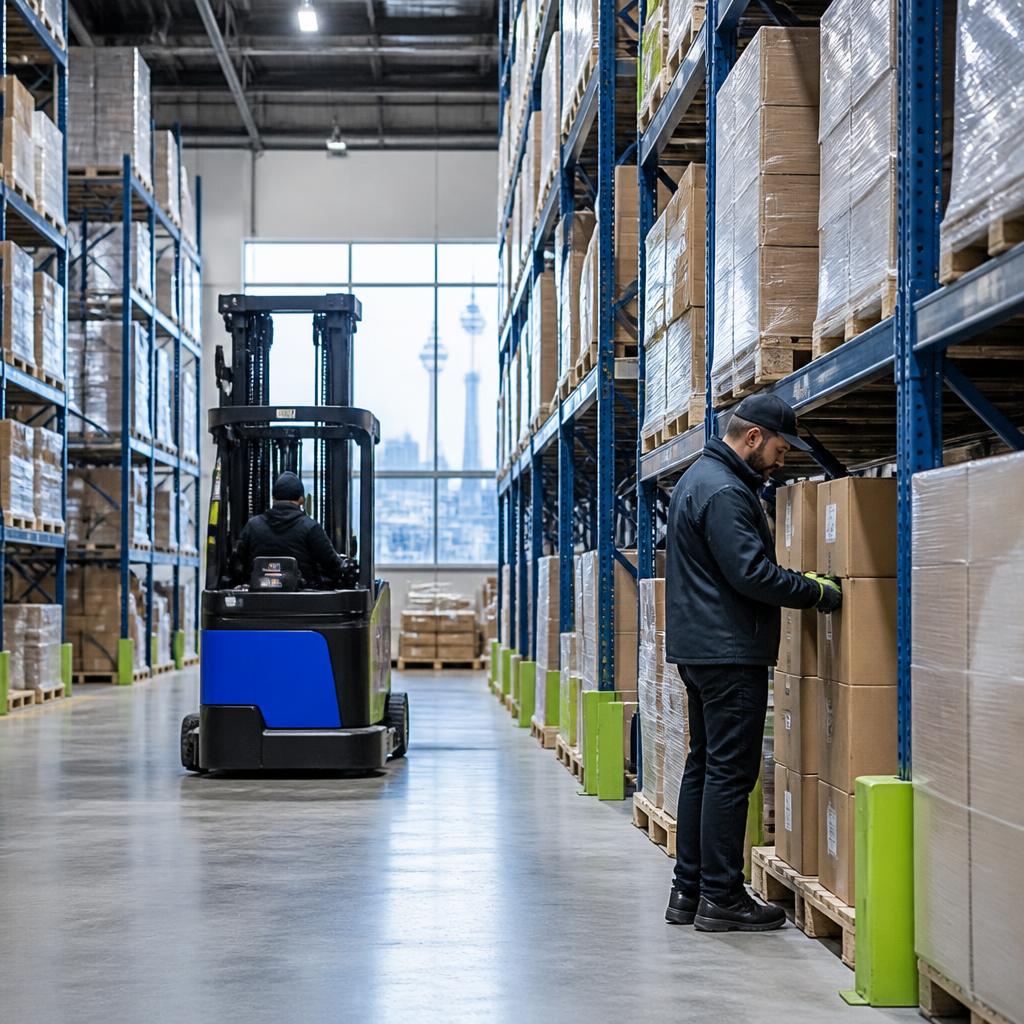
Warehousing is the managed space and handling between inbound supply and the next use of inventory. The right storage plan begins with how stock arrives, how it is identified and how often it needs to move.
Explore service SERVICE / 02
Ecommerce fulfilment connects a digital order to a correctly identified product, a packing instruction and an outbound handoff. The important design work is in the flow and the exceptions, not only the parcel.
Explore service SERVICE / 03
Pick and pack turns an order into a shipment. Well-defined instructions make it repeatable: which item, which quantity, which packaging and what to do when the expected stock or information is missing.
Explore service SERVICE / 04
Business-to-business distribution often moves fewer, larger orders than direct-to-consumer fulfilment, but each order may carry more destination, documentation and appointment requirements.
Explore service SERVICE / 05
Retail fulfilment is governed by the receiving requirements of the destination. A shipment can contain the right products and still need correction if carton, label, document or appointment instructions are missed.
Explore service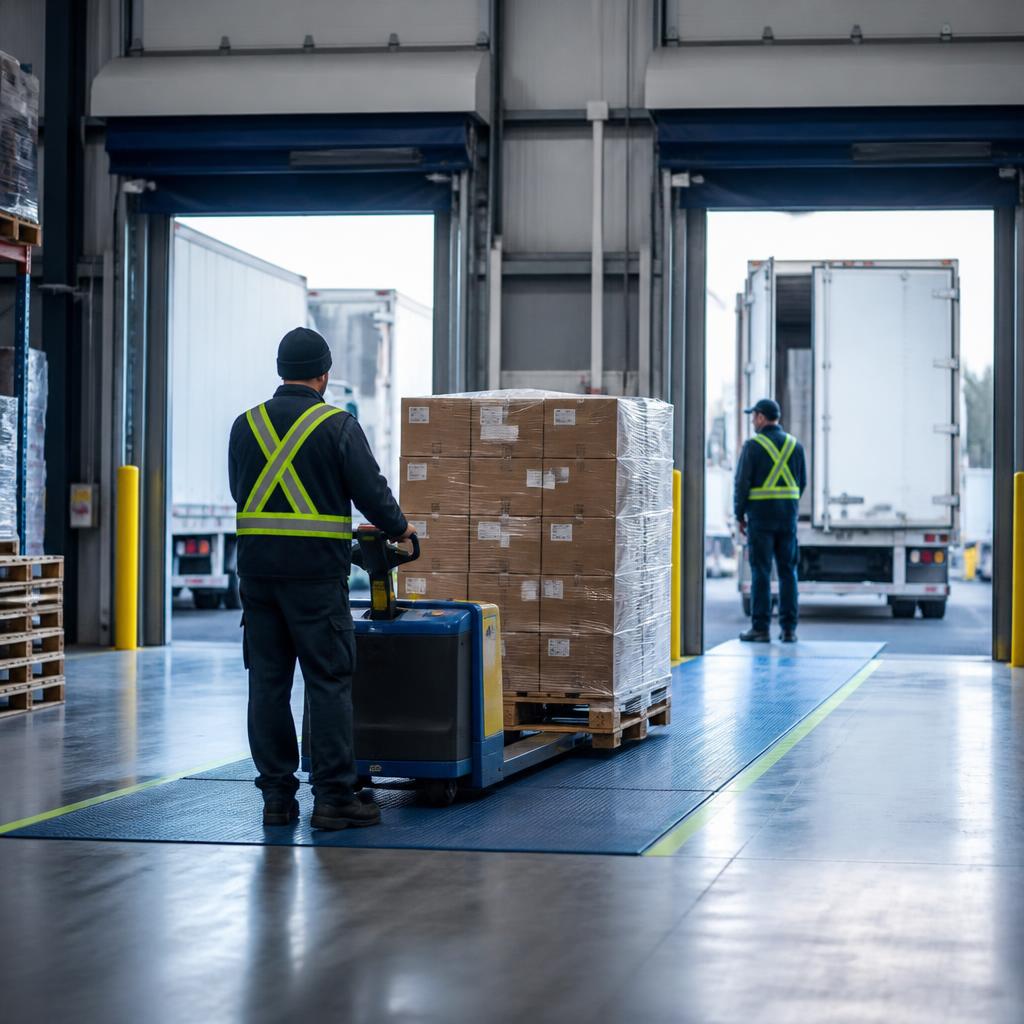 SERVICE / 06
Cross-docking moves goods from an inbound receipt toward an outbound shipment with limited or no planned storage. It can reduce unnecessary put-away when timing, information and destinations align; it is not a substitute for every inventory buffer.
Explore service SERVICE / 07
Freight coordination connects shipment requirements with a suitable transport plan and clear communication. It is broader than selecting a vehicle: dimensions, timing, access, paperwork and exception handling all matter.
Explore service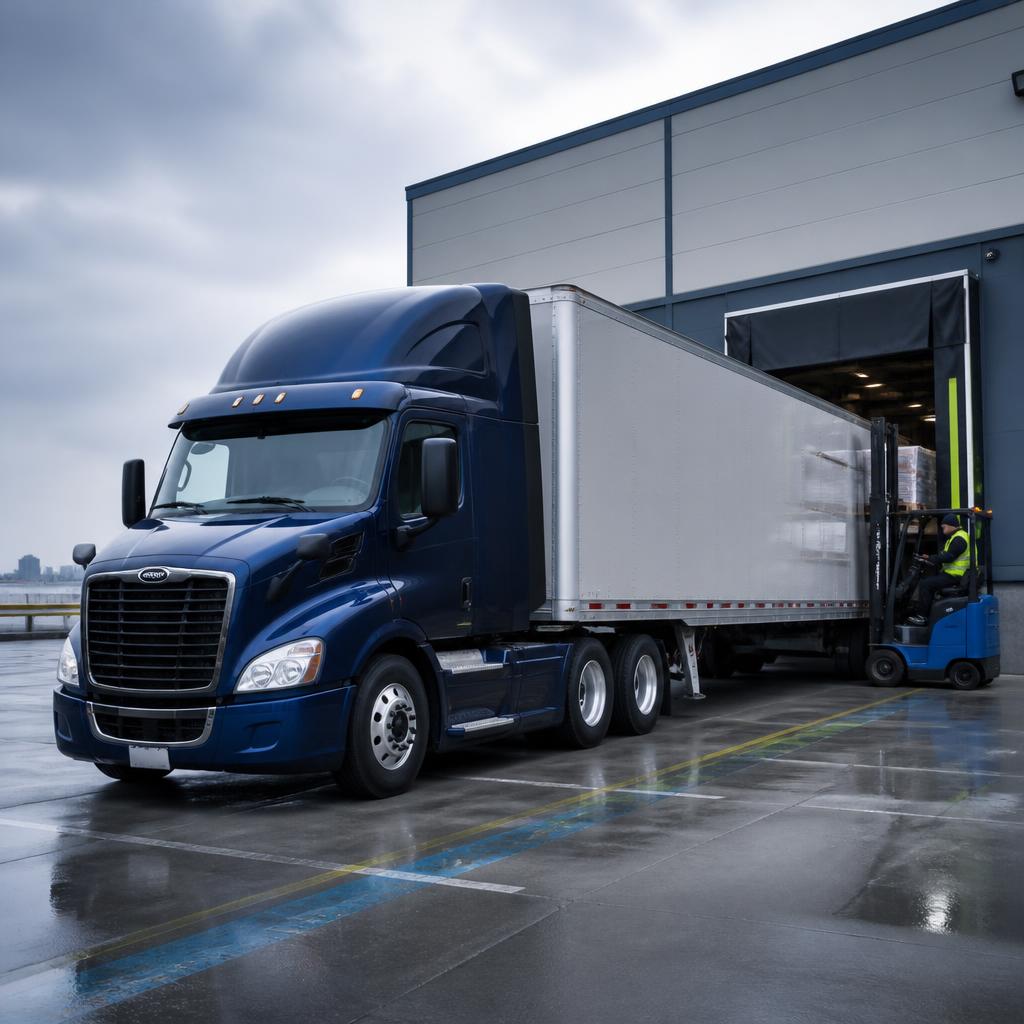 SERVICE / 08
Less-than-truckload (LTL) and full-truckload (FTL) describe different ways to plan freight capacity. The choice depends on shipment size, service constraints, handling tolerance, scheduling and total cost—not just the number of pallets.
Explore serviceAI-generated illustrative photography; images do not depict a specific facility, fleet or service location.
A category is a start, not a specification. The actual product, packaging, channel and destination requirements determine the details.
You do not need a perfect forecast to start. You do need to distinguish what is known, what is estimated and what depends on a decision.
Receiving, storage, handling, picking, packaging, shipping, returns, setup and special projects may be priced differently. Ask what triggers each charge and which assumptions apply.
Understand 3PL quote componentsProduct range, order or shipment profile, average and peak stock, inbound cadence, destinations, return requirements and any special preparation instructions.
Share your requirementsUnderstand third-party logistics scope, workflows, responsibilities, limitations and the questions Toronto businesses should ask.
Read the guideA practical framework to assess 3PL service fit, location, processes, reporting, pricing, onboarding and contract questions.
Read the guideCompare receiving, storage, handling, picking, packaging, shipping, returns and setup using the same operating assumptions.
Read the guideA third-party logistics provider performs agreed logistics activities. The exact scope may include storage, order preparation, distribution coordination or returns.
No warehouse location is claimed on this website. Facility suitability is reviewed for a specific requirement.
No standard rate is published. A quote depends on products, activities, volumes and commercial assumptions.
No. An enquiry is received only when the server confirms it; scope and availability need a separate review.
Describe the flow you have today, the challenge you want to solve and what you know about the products and volumes.
A form receipt is not a quote or service confirmation.